The science of fascia
The tissue that holds everything together, and holds on.
Fascia is the body's continuous connective tissue web. For a century anatomy books cut it away to show the "real" structures underneath. The last twenty years of research have turned that upside down.
In short
Fascia is the continuous connective tissue that wraps and joins every muscle, organ, nerve and bone into one body-wide web. It carries about 250 million sensory nerve endings. When its gel dries and the layers stop gliding, the body stiffens and hurts. Gentle, sustained touch restores the glide and lets the nervous system release.
What fascia is
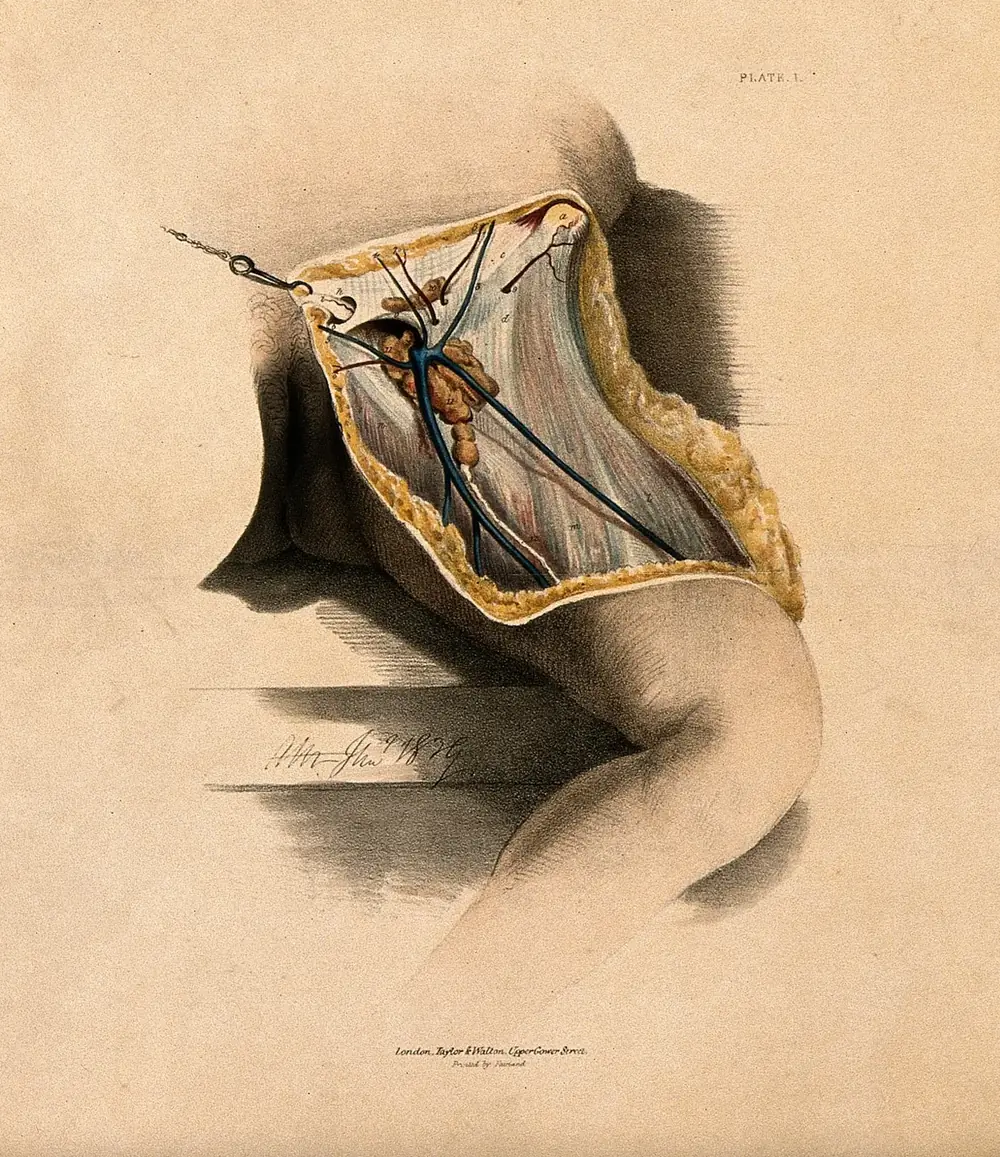
Fascia is the soft connective tissue that permeates the whole body and forms one continuous, three-dimensional matrix of support. It wraps every muscle fibre, bundle and muscle, every organ, nerve and vessel, and it attaches to bone through the periosteum. Pull on it in the foot and, in principle, the head feels it.
Its building blocks are collagen and elastin fibres set in a watery gel. The gel is made largely of hyaluronan, a long sugar molecule that holds water and lets neighbouring layers of fascia slide over each other. Special cells inside the fascia, named fasciacytes, make and maintain that hyaluronan.
Why it matters so much
- It is a sense organ. Fascia is densely wired with mechanoreceptors (Ruffini and Pacini endings, Golgi organs) and free nerve endings. Researchers estimate about 250 million sensory nerve endings in the fascial net, more than the roughly 200 million in the skin. Your sense of your body from the inside, interoception, is largely a fascial sense.
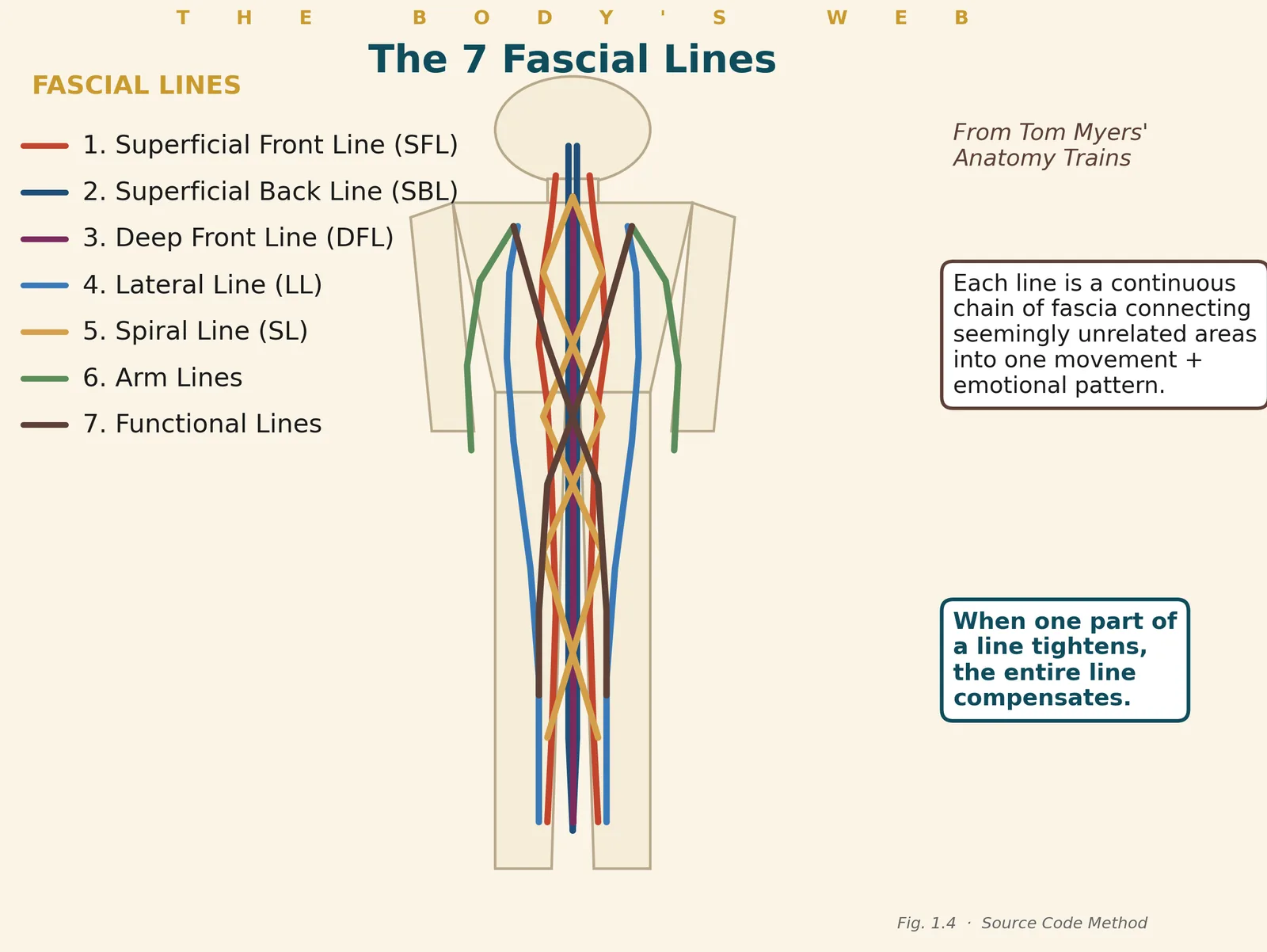
- It transmits force. Deep fascia acts as a whole-body harness that passes tension between muscles and holds posture without effort.
- It remodels. Fascia reorganises itself along the lines of tension that are placed on it. Habits, injuries and long-held postures are written into it.
How restriction happens
When the glide goes, the body tightens.
Densification
Under sustained load, injury, inflammation or simply too little movement, the hyaluronan between fascial layers aggregates. The gel gets thicker and more viscous, the layers stop sliding, and the free nerve endings in that tissue become over-stimulated. You feel it as stiffness and pain.
Loss of glide
Using ultrasound, Langevin and colleagues measured how much the lower-back fascia glides in 121 people. In those with chronic low back pain the shear movement was about 20% lower (56% against 70%). The tissue literally moved less.
Compensation
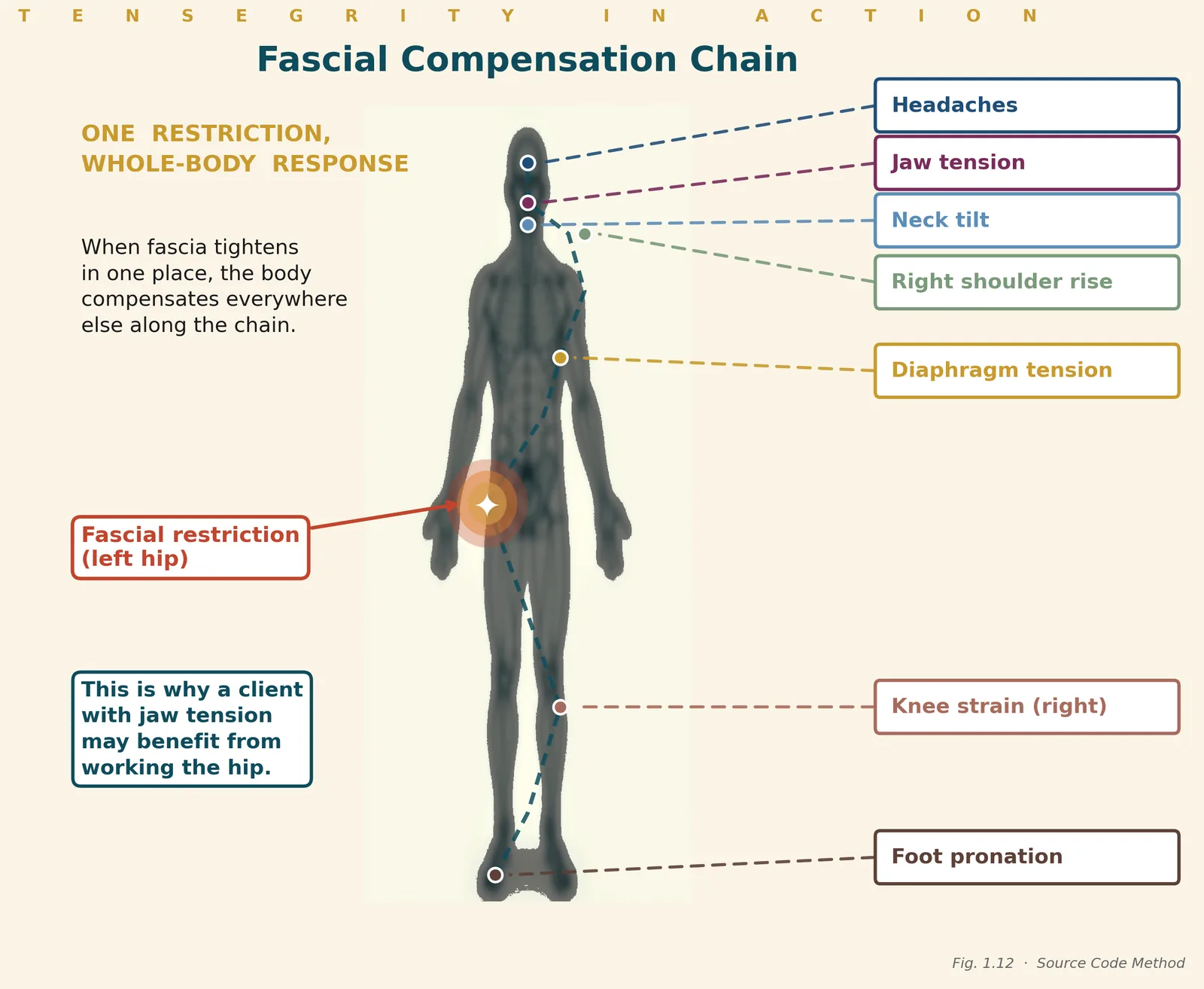
Because the web is continuous, one restriction is never local. A tight hip changes the knee, the pelvis, the diaphragm, the neck, the jaw. The nervous system then guards the whole chain, and the pattern becomes the person's normal.
How release works
Why slow, gentle and warm beats force.
Hyaluronan is shear-thinning: it becomes less viscous when it is gently loaded, and warmth lowers its viscosity further. A hand that rests on the tissue with a few grams of pressure, and waits, is doing three things at once.
- Mechanically, sustained pressure, stretch and warmth let the gel thin and the layers begin to slide again.
- Neurologically, the mechanoreceptors in the fascia report the new input to the spinal cord and brain, muscle tone drops and pain processing changes. This is the "release" the hand feels: the nervous system letting the tissue go.
- Cellularly, fibroblasts sense the change in load and, over days and weeks, remodel the matrix along the new, freer lines.
This is also why force fails. Push past the barrier and the nervous system reads threat; the tissue braces and the glide you were after is lost. The Source Code Method is built on the opposite: safety first, five grams, patient waiting, and following the tissue as it melts.
The clinical evidence is young but it is real. In a 2022 study, three weekly sessions of manual therapy on the neck fascia reduced the thickness of the loose connective tissue layers on ultrasound, with more range of motion and less pain. Reviews of myofascial release describe consistent gains in pain, range of motion and tissue compliance.
Where it lives in you
Fascia and the nervous system are one conversation.
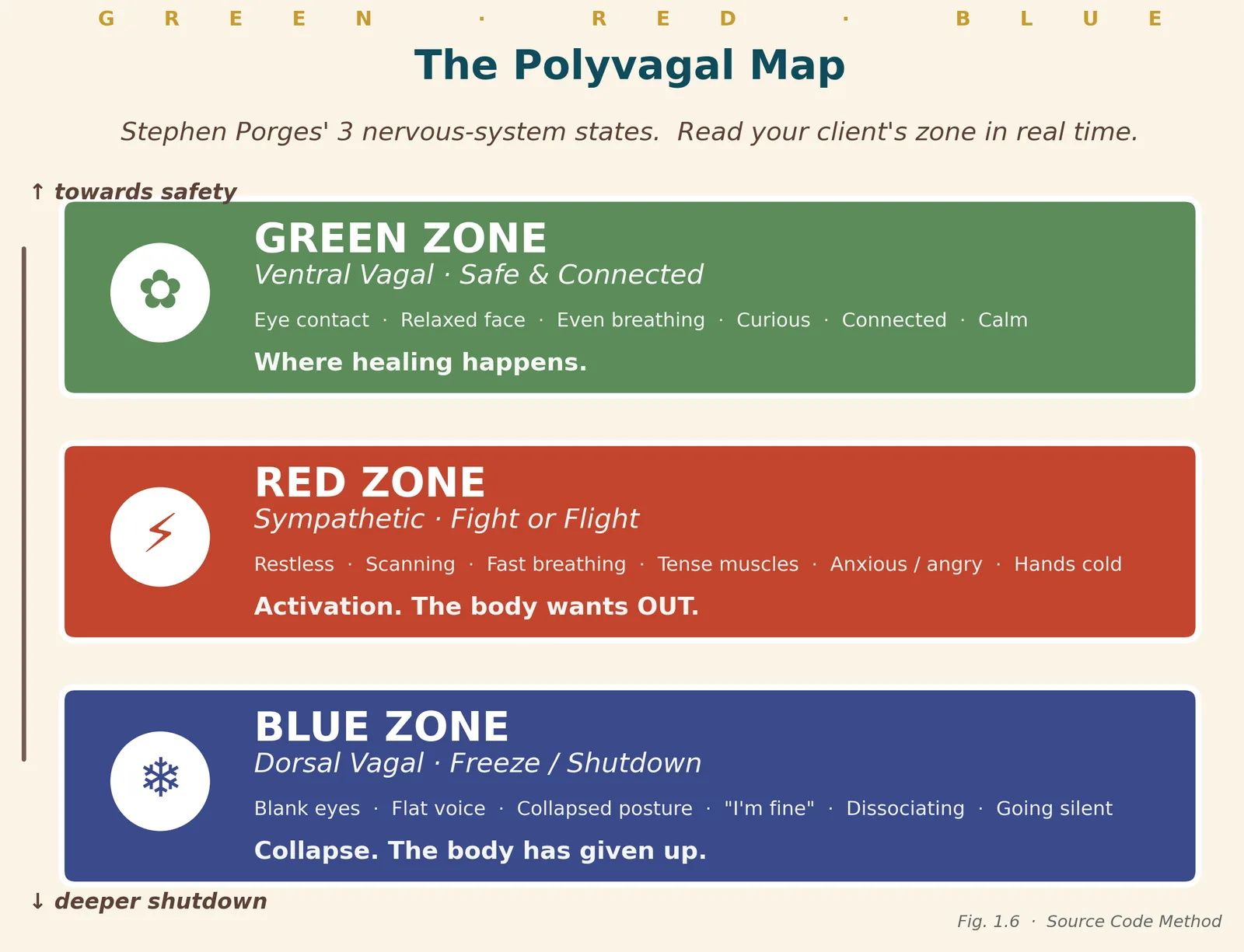
Because the fascia is wired straight into the autonomic nervous system, the state you are in changes the tissue, and the tissue changes the state you are in. A body in fight-or-flight holds. A body that feels safe lets go.
Anatomy plates
What fascia looks like.
Public anatomy drawings, old and new, that show the fascial layers and compartments. Credits below each one.
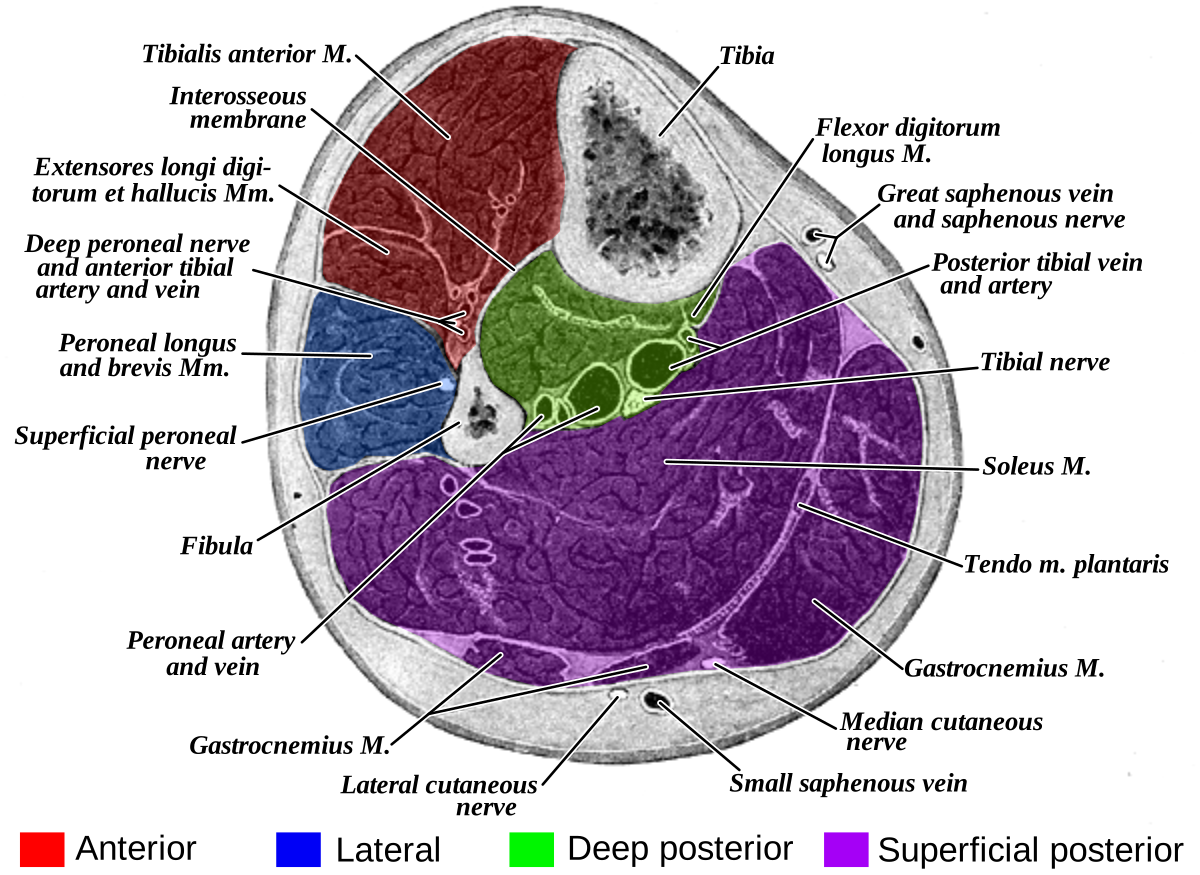
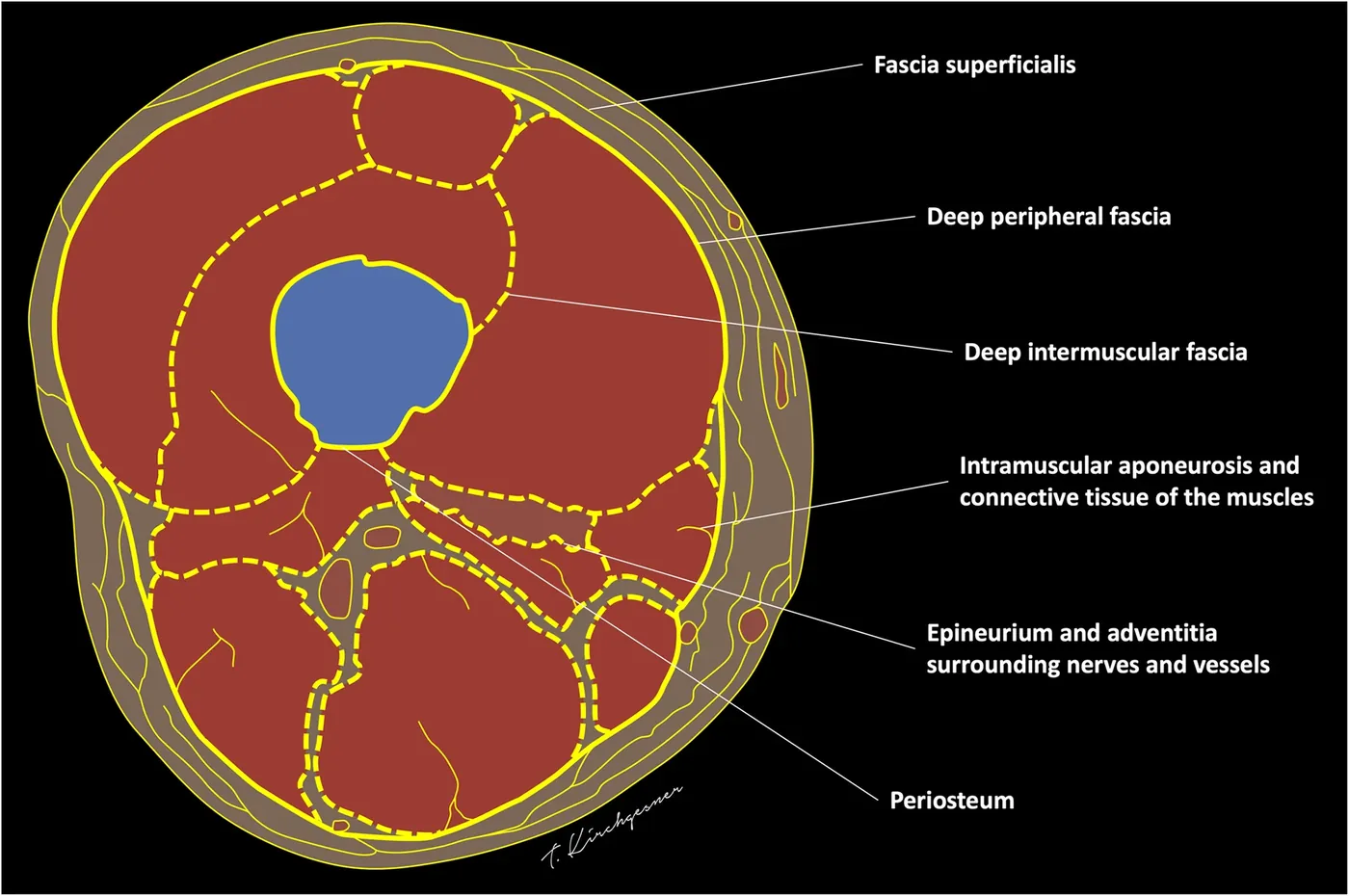
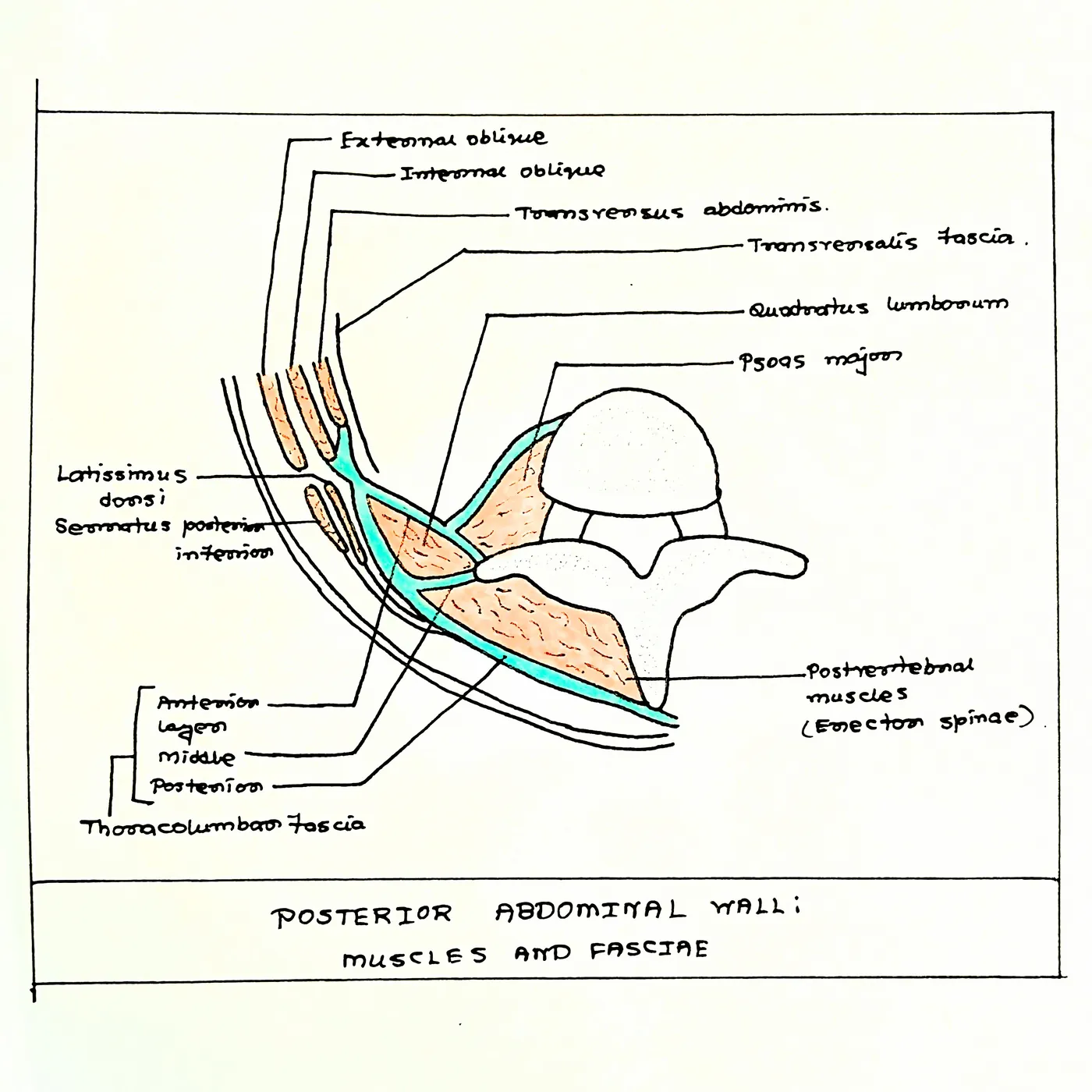
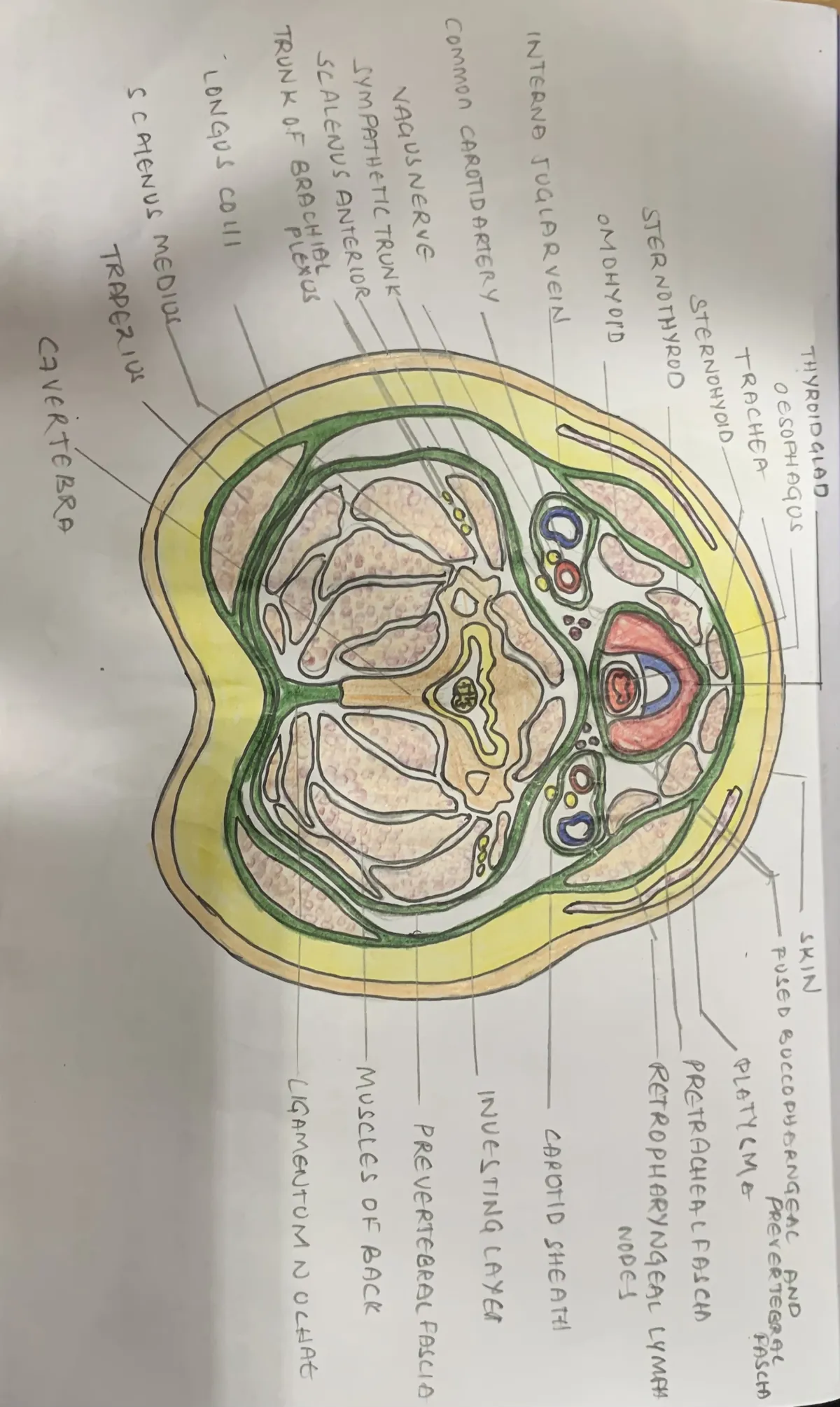
Fascia questions
What people ask about fascia.
What is fascia?
Fascia is the body's continuous connective tissue: a three-dimensional web of collagen and elastin fibres in a watery gel that wraps every muscle, organ, nerve and bone and joins them into one system. It is also a sense organ, with an estimated 250 million sensory nerve endings.
What is fascia release?
Fascia release is gentle, sustained manual pressure on the fascia until the tissue softens and begins to glide again. It works mechanically on the hyaluronan gel between the layers, and neurologically through the mechanoreceptors in the fascia, which lower muscle tone and change how the nervous system processes the area.
Why does fascia get tight?
Injury, inflammation, sustained postures, stress and too little movement cause the hyaluronan between fascial layers to aggregate. The gel thickens, the layers stop sliding, and the free nerve endings in the tissue become over-stimulated. You feel it as stiffness, pain and a body that cannot settle.
How long does fascia release take to work?
A single release during a session takes three to five minutes of patient contact. Clinical studies on neck fascia showed measurable changes in tissue thickness, range of motion and pain after three weekly sessions. Long-held patterns take longer, because the body reorganises in layers.
Does fascia release hurt?
Not in the Source Code Method. The hands rest with about five grams of pressure, the weight of a coin, and wait. Force makes the nervous system brace and loses the glide; gentleness lets the tissue melt.
Can I learn fascia release myself?
Yes. The Source Code Method practitioner course teaches fascia release, nervous-system regulation and the full session flow in three to four hands-on days in Johannesburg, for families and for people starting a practice. Students from any country are welcome.
Sources
Read the research yourself.
- Schleip R. "The Fascial Network: Our Richest Sensory Organ." Massage & Bodywork, Sept/Oct 2022 (ABMP). The 250 million nerve-ending estimate against roughly 200 million in the skin.
- Langevin HM et al. "Reduced thoracolumbar fascia shear strain in human chronic low back pain." BMC Musculoskeletal Disorders 2011; 12:203. Shear strain 56.4% in chronic low back pain against 70.2% without, 121 subjects.
- Pratt RL. "Hyaluronan and the Fascial Frontier." International Journal of Molecular Sciences 2021; 22(13):6845. Hyaluronan, gliding, and remodelling along lines of tension.
- Stecco C et al. "Fascia as a regulatory system in health and disease." 2024 (PubMed Central PMC11346343). Fasciacytes and hyaluronan as the lubricant between layers.
- Stecco A et al. "Fascial densification and hyaluronan: the effect of manual therapy." Bioengineering 2022 (PMC9028708). Three weekly sessions reduced loose connective tissue thickness, with better neck range of motion and less pain.
- "Myofascial release and fascial-targeted mechanical interventions in musculoskeletal rehabilitation." Frontiers in Physiology 2026; 17:1801306. Mechanoreceptors, neural modulation and fibroblast remodelling.
- Myers TW. Anatomy Trains, 4th ed. Elsevier 2020. The myofascial lines.
- Porges SW. The Polyvagal Theory. Norton 2011. The three autonomic states.
Where this page gives a number, it comes from one of these papers. Nothing here is medical advice. If you have pain or a medical condition, see your doctor as well.
Written by Shenaaz Khan with the Source Code Method team. Last reviewed 7 October 2026.